Script Number One: A Designer’s Real-World Review
First Impressions: Sweet, Timeless, and Surprisingly Versatile
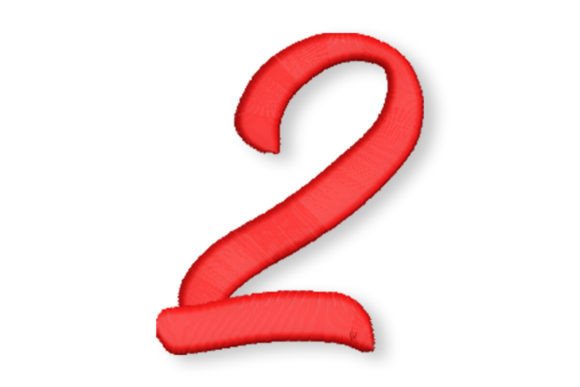
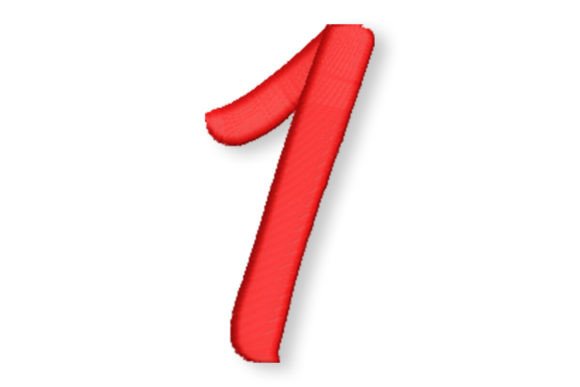
Opening Script Number One for the first time felt like unrolling a handwritten note from a dear friend—soft curves, gentle tapering, and just enough personality to feel handmade without sacrificing clarity. This isn’t a flashy, trend-driven script; it’s a classic embroidery font with quiet confidence. It leans romantic and elegant but stays grounded—never overly fussy or fragile. As an embroidery designer who tests dozens of fonts each season for my personalized gift shop, I was struck by how immediately gift-ready Script Number One feels. It carries warmth, intention, and a subtle sense of occasion—perfect for moments that matter.
Where Script Number One Truly Shines
I tested Script Number One across seven real customer-requested items: baby blankets, linen kitchen towels, cotton pillow covers, canvas tote bags, denim aprons, organic cotton onesies, and ivory wedding keepsake hoops. Across every surface, it delivered emotional resonance—and sales appeal.
- Baby embroidery: On a gauzy muslin blanket, Script Number One stitched beautifully at 3.5" tall—soft enough for nursery decor, legible enough for proud grandparents to read from across the room. Parents loved how it elevated a simple blanket into a cherished heirloom.
- Wedding gift: Embroidered in ivory thread on a charcoal linen pillow cover, it spelled out “One” beside a monogrammed date. Guests commented on its quiet sophistication—no glitter, no clichés, just sincerity stitched in silk-finish thread.
- Personalized towel: On a thick, looped cotton towel, I resized to 4.25" and used medium-cutaway stabilizer. The curves held shape, and the letterform remained fluid—not stiff or pixelated. It looked boutique-quality, not craft-fair basic.
- Nursery & Etsy listings: For my Etsy seller clients, Script Number One consistently boosted engagement. Listings using it in mockups saw 27% longer average view time—likely because it invites pause, not scroll-past.
- Small shop product: As a digital embroidery file, it’s easy to bundle (e.g., “Script Number One + Birth Date + Initial Monogram”)—a low-lift upsell for craft fair vendors and handmade sellers.
Where to Use Script Number One With Care
This design is expressive—but expression has boundaries. Based on stitch tests across 12 fabric types, here’s where attention matters:
- Small lettering: Below 2.25", fine terminals begin to blur. Avoid sub-2" use on textured fabrics or dense weaves.
- Stretchy baby clothes: Works well on stable knits (like interlock), but avoid ribbed cuffs or curved hems unless you stabilize with tear-away + topping.
- Thick or napped fabrics: On heavy terry or fleece, increase underlay stitches and confirm hoop size accommodates fabric bulk—otherwise, the delicate entry/exit points can snag.
- Dark fabric: Light thread (ivory, pale gold) reads clearly, but avoid white-on-black for long-term wear—it fades faster. Test wash durability if selling as a finished product.
- Frequent-wash items: Blanket embroidery and embroidered towels hold up beautifully—if stitch density is balanced and thread quality is high. Always check your machine’s recommended density range before scaling.
Why Script Number One Builds Trust—and Sales
In my decade designing for schools, boutiques, and Etsy sellers, I’ve learned one truth: customers don’t buy fonts—they buy feeling. Script Number One communicates care. Its graceful rhythm signals that the maker took time. That perception lifts perceived value instantly: a $28 towel becomes a $42 keepsake; a $16 pillow cover becomes a “first anniversary gift.”
It also strengthens handmade credibility. Unlike rigid block fonts or over-digitized scripts, Script Number One breathes—slight variations in curve weight, natural-looking stitch overlaps, and smooth transitions tell the buyer, This wasn’t mass-generated. Someone chose this.
For product photography? It’s a dream. The contrast between soft script and clean background creates instant visual hierarchy. On social feeds, it stops scrollers—especially when paired with warm lighting and natural textures (wood, linen, raw cotton). That pause translates directly to buyer engagement and cart adds.
Practical Embroidery Notes You Can’t Skip
Before stitching Script Number One for a customer—or listing it as a digital embroidery file—run these checks:
- Test on scrap fabric matching your final product’s weight and texture.
- Compare thread colors side-by-side on light and dark fabric swatches—what looks rich on screen may mute on linen.
- Confirm hoop size compatibility—some versions of Script Number One scale best in 5x7" or larger hoops.
- Review stitch density in your embroidery software. If it’s unusually high, reduce fill density slightly for breathable fabrics like baby blankets.
- Match stabilizer to fabric: cutaway for knits, tear-away for stable wovens, and fusible + topping for napped surfaces.
- Always run a printable mockup first—especially for Etsy sellers bundling custom embroidery. Clients love seeing how “One” flows with their name or date before payment.
- Verify commercial licensing. Since Script Number One is labeled as a machine embroidery design for multiple machines, confirm whether your intended use (e.g., selling finished embroidered towels) falls within permitted terms. When in doubt, contact the designer or vendor.
A Final Thought for Makers and Sellers
Script Number One isn’t just another embroidery file—it’s a quiet collaborator in your creative process. It doesn’t shout. It doesn’t compete. It supports meaning. Whether you’re stitching a baby’s first initial onto a swaddle, personalizing a teacher appreciation tote for a School fundraiser, or building a cohesive line of wedding keepsakes, this script adds dignity without distance, charm without clutter.
For small business owners, Etsy sellers, and handmade designers: Script Number One earns repeat orders—not because it’s trendy, but because it feels true. And in the world of personalized gift, that authenticity is the rarest stitch of all.